Size determines where you can sleep, what you can tow behind you, how much fuel you burn getting there, and which campground loops will turn you away at the entrance station. The number that matters most is not the one in the brochure — it is the combined length of everything you are driving, bumper to bumper, with the tow bar or trailer tongue included. A 32-foot travel trailer behind a full-size pickup is not a 32-foot rig. It is the truck plus the trailer, and at a Yellowstone gate that arithmetic is the difference between a site and a U-turn.
Combined length is the only number the gate cares about
Measure the whole combination — tow vehicle plus trailer, or motorhome plus the car on the dolly — and write that figure on a sticky note for the dashboard. National park campgrounds publish limits against combined vehicle length, and they enforce them at the reservation system and again at the entrance. Madison Campground in Yellowstone runs a typical published limit of 40 ft combined. Fishing Bridge RV Campground, also in Yellowstone, sits at 40 ft combined as well. Kalaloch in Olympic National Park is tighter at 35 ft combined, and Heart o' the Hills, also in Olympic, is strict at 21 ft combined.
Read those four numbers together and the picture of American public camping comes into focus. A 40-foot limit is generous enough for a mid-size Class A or a crew-cab truck pulling a modest trailer. A 35-foot limit starts cutting into half-ton-plus-travel-trailer combinations. A 21-foot limit is a different world entirely — that is a camper van, a small Class C, or a compact trailer behind a short-wheelbase tow vehicle, and nothing larger gets in. The campgrounds with the tightest limits are often the ones closest to the trailheads and the views, which is the whole cruel logic of the thing.
The published limit is a ceiling, not a promise. A 40-foot rig can book a 40-foot site and still find that the site's pad is level but the approach road curves between two pines, or that the site's driveway is angled such that backing in requires more swing room than the loop provides. Many reservation systems now show site-specific length and a photo; use both. The published campground limit tells you whether you are allowed to try. The site dimensions tell you whether you will actually fit. Call the campground directly if the combination is close to the limit — rangers will tell you honestly whether a rig of your length has any business in a particular loop, and that conversation costs nothing.
The four vehicle classes and what each one forces on you
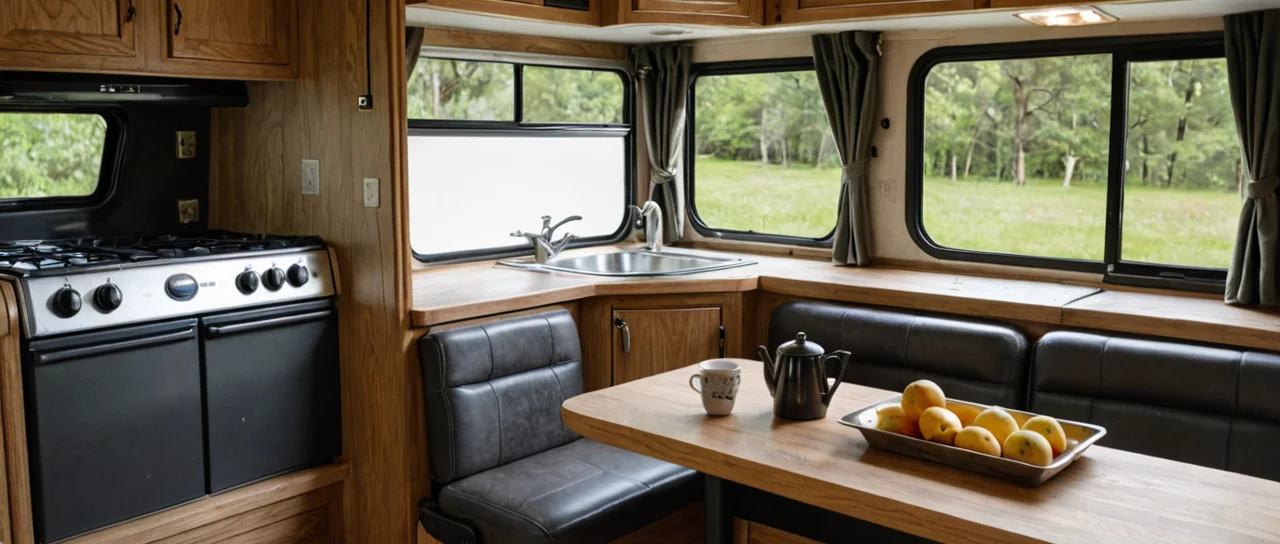
Class A, Class B, Class C, and travel trailer are not marketing categories — each one imposes a different set of compromises on how you drive, park, and camp. A Class A motorhome is a large, bus-shaped self-propelled RV built on a bus or heavy commercial truck chassis, with a fully integrated body that combines the driving compartment and living quarters into one continuous interior. That integration is the whole appeal: you walk from the driver's seat to the galley without stepping outside, and the living space is genuinely roomy. The cost is that a Class A is a bus in every practical sense. It does not fit in a normal parking space, it does not turn like a passenger car, and it cannot be uncoupled from its living quarters when you want to run to town for groceries.
A Class C motorhome is built on a cutaway van or light truck chassis, recognizable by the cab-over section above the driver's area that typically holds a bed or storage, with the driving compartment forming part of the RV's interior. Class C rigs generally drive more like a heavy van than a bus, and the cab-over bunk is free real estate that Class A floor plans often spend on other things. The trade-off is width and height — the cab-over adds vertical bulk that catches wind and low branches, and the chassis underneath is working harder than its manufacturer intended for the weight above it. A Class C is a good compromise for a couple who wants self-propelled convenience without bus-scale parking problems.
A Class B motorhome, often called a camper van, is built inside a standard commercial van or panel truck body, with the original van cab intact and the interior outfitted for sleeping, cooking, and often bathing within the compact van shell. This is the smallest self-propelled class and the only one that fits comfortably under a 21-foot combined limit. You park it in a normal space, you drive it to the trailhead, you sleep in it in places a larger rig cannot go. The cost is interior volume, and the cost is real: a Class B's wet bath is a shower stall you sit in, its galley is a two-burner and a sink the size of a dinner plate, and a week of rain inside one is a test of a relationship.
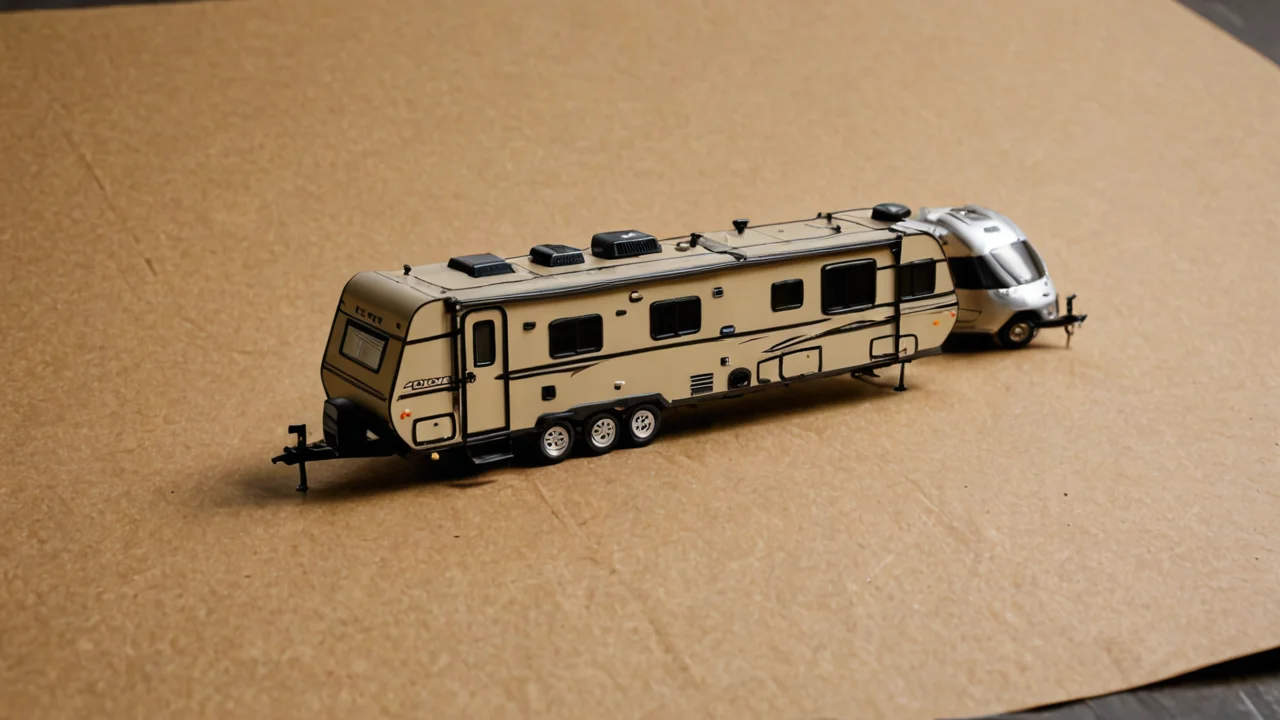
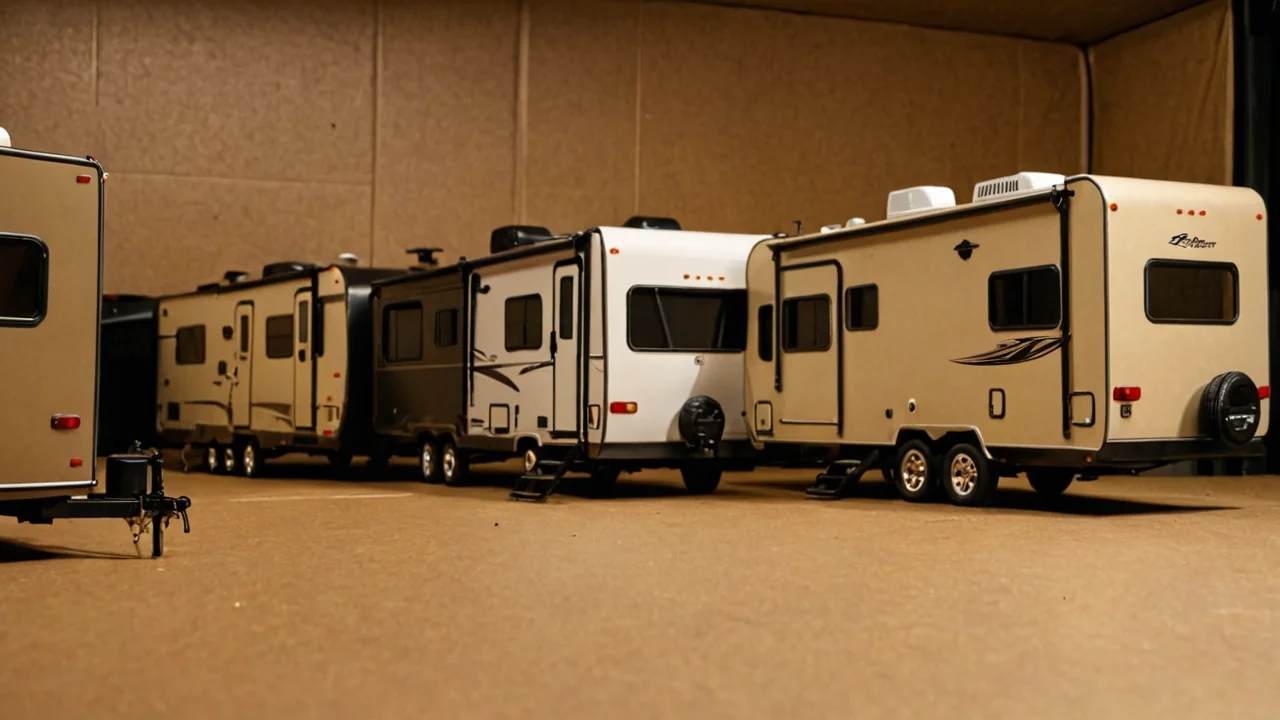
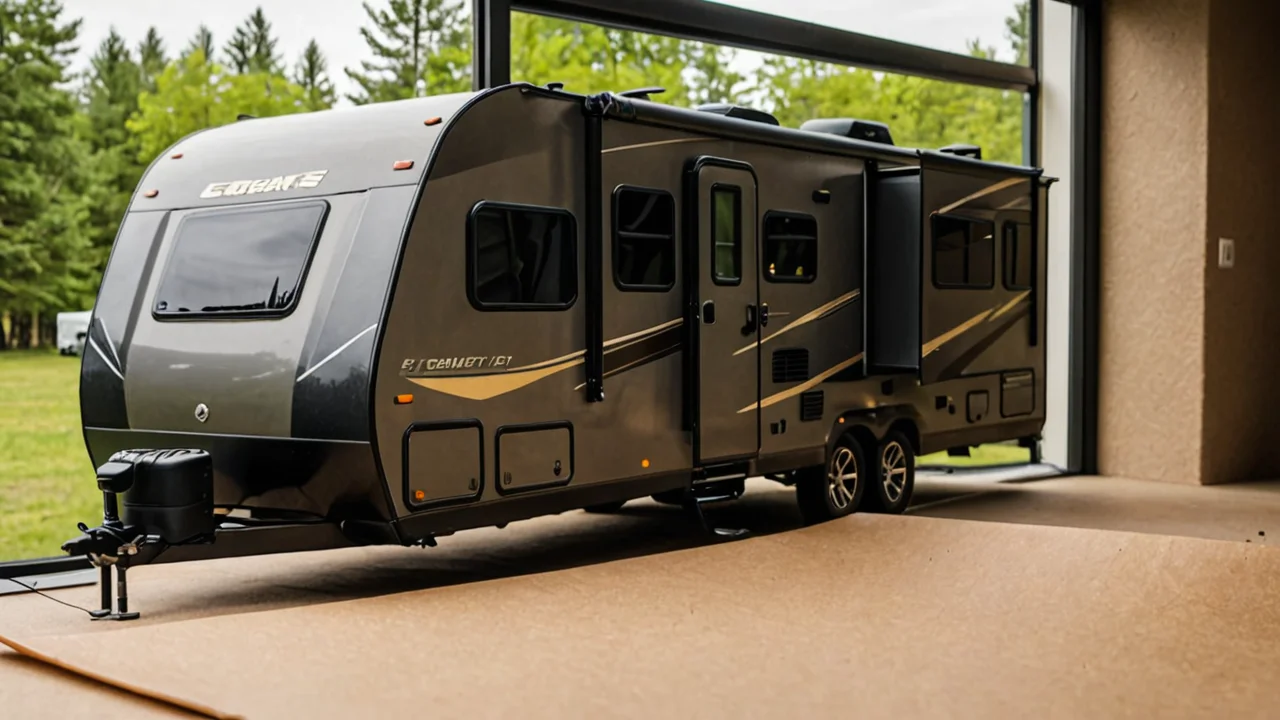
A travel trailer is a towable RV with living quarters hitched to a tow vehicle rather than self-propelled, typically offering sleeping, cooking, and basic bathroom facilities inside an enclosed trailer body. The trailer's great advantage is that it detaches — you drop it at the campsite, and the tow vehicle becomes a normal truck for the day. The great disadvantage is that your combined length is the truck plus the trailer, and that number is what the campground gate reads. A travel trailer also demands that the tow vehicle be rated for the trailer's loaded weight, not its dry weight, and that the hitch setup be dialed in correctly. Get the weight distribution wrong and you will feel it as sway at highway speed, which is the kind of thing you notice once and then never want to feel again.
Matching the tow vehicle to the trailer, and the numbers that decide it
The tow vehicle's payload rating — not its tow rating — is usually the binding constraint. Payload is everything the truck carries: passengers, fuel, cargo, the weight of the hitch itself, and the tongue weight of the trailer. A truck with a generous tow rating can still be overloaded by a heavy trailer's tongue weight once two adults, a dog, and a bed full of gear are aboard. Check the yellow sticker inside the driver's doorjamb for the actual payload figure for that specific truck, and compare it against the loaded tongue weight of the trailer you are considering, which is typically a meaningful fraction of the trailer's loaded weight. The trailer's dry weight is a fiction — it excludes water, propane, batteries, and everything you own. Plan around the gross vehicle weight rating of the trailer, not the brochure number.
Weight distribution hitches and sway control are not optional accessories on a large travel trailer; they are the difference between a stable tow and a white-knuckle one. A properly set up weight distribution hitch transfers tongue weight forward to the truck's front axle and back to the trailer's axles, which keeps the whole combination level and keeps the front tires planted. Sway control — either a friction bar or an integrated electronic system — resists the side-to-side oscillation that a passing semi or a crosswind can start. Neither one fixes an overloaded truck. They manage a properly matched combination; they do not rescue a mismatched one.
The same logic runs in reverse for motorhomes towing a dinghy. A Class A or Class C towing a flat-towed car adds length to the combined figure the campground reads, and adds weight to the chassis that the brakes and transmission have to manage on long descents. A tow bar setup with a supplemental braking system in the towed car is the standard, and the combined length with the toad attached is what you enter on the reservation form. If the campground limit is 40 ft combined and your motorhome is 34 ft, the toad can be 6 ft or less — which rules out most full-size vehicles and pushes you toward a small car or no toad at all. Many motorhome owners solve this by towing nothing, renting a car at the destination, or accepting that the rig stays put once it is parked.
Where size changes the trip: campgrounds, roads, and services
Public campgrounds in national parks are the tightest constraint most RVers hit, and the limits are published for a reason. A 40-foot combined limit at Madison and Fishing Bridge in Yellowstone is workable for a wide range of rigs, but the loops themselves are older than most of the vehicles driving through them — site pads are not always level, and the trees between them were saplings when the campground was laid out. Kalaloch's 35-foot limit is a meaningful filter. Heart o' the Hills' 21-foot limit is a hard stop for anything but a van or a small trailer, and it is the kind of limit that should be checked before you plan a whole Olympic Peninsula itinerary around it.
Roads matter as much as campgrounds. Mountain passes, tunnel clearance, and narrow two-lane highways with no shoulder all punish length and width. A Class A on a winding park road is a different experience from a camper van on the same road, and the difference is not just comfort — it is whether you can pull over to let a line of cars pass, whether you can make a tight switchback without a three-point turn, and whether you can find fuel without blocking a small station's entire forecourt. Planning a route around your rig's dimensions is part of the trip, not an afterthought.
Services scale with size too. A large rig's black and gray tanks fill faster than a camper van's, which means more frequent dump station stops, and a large rig's fresh water tank empties faster when the shower is a real shower rather than a wet-bath compromise. Winterizing a travel trailer's water system is a chore that scales with the number of fixtures and the length of the plumbing runs, and the RV-specific antifreeze used for the job carries a burst protection temperature of -50 °F as of 2022 — which is the number to look for on the jug, not the automotive antifreeze rating, which is a different product for a different system. A larger rig has more plumbing to protect and more places for water to sit.
The honest trade-offs: what each size costs you
Bigger buys interior comfort and costs you access. A 40-foot Class A gives you a residential kitchen, a real shower, and a bedroom with a door — and it also gives you a rig that cannot enter Heart o' the Hills, that struggles in older campground loops, that needs a toad or a rental car for every errand, and that burns fuel at a rate that makes a cross-country trip a budget line item rather than an afterthought. Smaller buys access and costs you comfort. A camper van fits under a 21-foot limit and parks in a normal space, and it also gives you a wet bath, a galley you cook in sideways, and a sleeping arrangement that is fine for a weekend and a negotiation for a month.
The travel trailer sits in the middle and trades one kind of hassle for another. You get the space of a larger rig at a lower purchase price and the freedom of a detached tow vehicle at the campsite, and you pay for it with a combined length that the gate reads, a towing setup that has to be right every time, and a hitching and unhitching ritual at every stop. A travel trailer is the right answer for someone who wants to base-camp for a week at a time and explore in the truck. It is the wrong answer for someone who wants to move every day and never tow anything.
None of these trade-offs is permanent, which is the useful part. RV size is one of the few major purchases where the rental market lets you test the decision before you commit — a week in a Class C tells you more about whether you can live with the cab-over and the width than any floor plan diagram will. The right size is the one that fits the campgrounds you actually want to visit, tows or drives in a way you are comfortable with, and leaves enough budget for the trip itself. Start from the tightest limit on your must-visit list, work backward to the rig that fits it, and let the combined length — not the brochure length — be the number you plan around.